
Why Jaw Clicking Shouldn’t Be Ignored
A clicking jaw can be easy to brush off — especially if it only happens once in a while or does not cause pain.
But at Centreville Family Dentistry and Implant Center, we believe jaw symptoms deserve attention. Clicking, popping, locking, or soreness can be signs that the jaw joint is under stress.
Sometimes it is minor. Other times, it may be related to TMD, bite imbalance, grinding, or muscle tension.
Here’s what you should know.
What Causes Jaw Clicking?
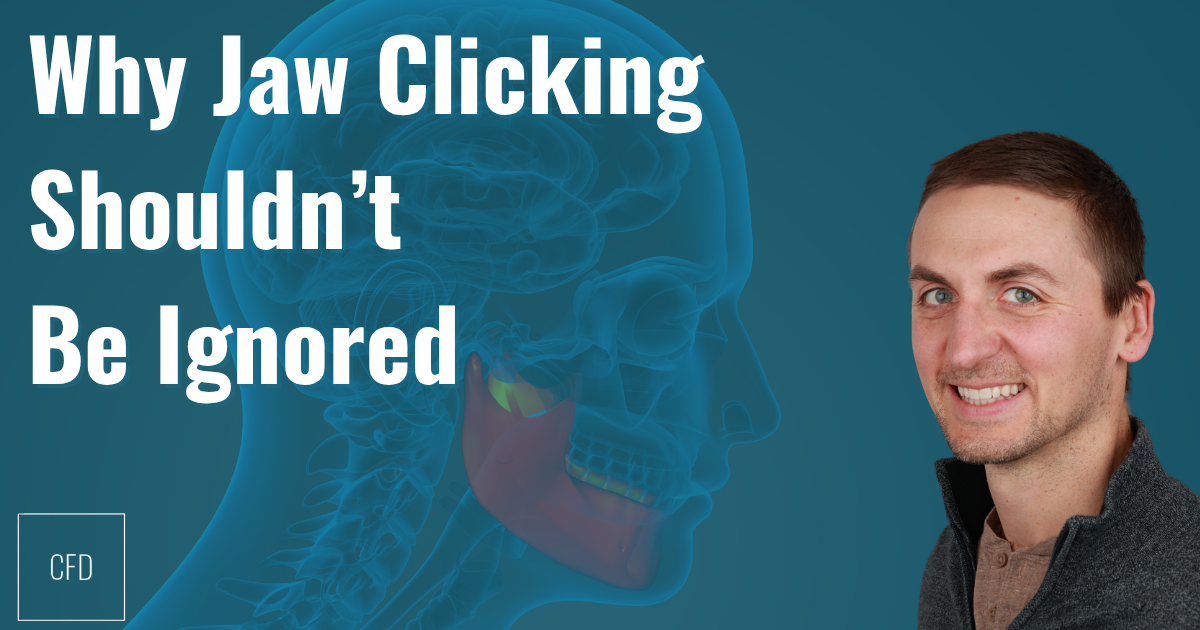
Your jaw joints, called the temporomandibular joints, connect your lower jaw to your skull. These joints help you chew, speak, yawn, and open and close your mouth.
Jaw clicking can happen when the joint, muscles, or small disc inside the joint are not moving smoothly.
Common causes include:
- Teeth grinding or clenching
- Bite imbalance
- Jaw muscle tension
- Stress
- Past injury or trauma
- Joint inflammation
- TMD, or temporomandibular disorder
Not every click means something serious — but repeated or worsening clicking should be evaluated.
When Jaw Clicking Is More Concerning
Jaw clicking is more concerning when it comes with other symptoms.
Pay attention if you notice:
- Jaw pain or soreness
- Headaches
- Neck or shoulder tension
- Difficulty opening wide
- Jaw locking
- Pain while chewing
- Ear pressure or discomfort
- Teeth grinding
- Worn or chipped teeth
These symptoms may suggest the jaw joint is not functioning properly.
The Connection Between Jaw Clicking and TMD
TMD stands for temporomandibular disorder. It refers to problems involving the jaw joints, muscles, and surrounding structures.
TMD can cause:
- Clicking or popping
- Jaw fatigue
- Facial pain
- Headaches
- Ear-like discomfort
- Limited jaw movement
Because symptoms can show up in different areas of the face, head, and neck, many patients do not realize the jaw may be part of the problem.
How Teeth Grinding Can Make It Worse
Grinding and clenching place heavy pressure on the teeth and jaw joints.
Over time, this can lead to:
- Joint strain
- Muscle soreness
- Tooth wear
- Cracks or chips
- Morning headaches
- Worsening jaw clicking
Many people grind at night without knowing it. A dental exam can often reveal the signs.
Why You Shouldn’t Wait Too Long
If jaw clicking is ignored, the underlying issue may progress.
Over time, untreated jaw problems can lead to:
- More frequent pain
- Increased muscle tension
- Difficulty chewing
- More tooth wear
- Limited jaw movement
- Jaw locking episodes
Early evaluation helps us identify the cause before the problem becomes more difficult to manage.
How Dentistry Can Help
At Centreville Family Dentistry and Implant Center, we evaluate jaw clicking by looking at the full picture.
We may assess:
- Your bite
- Tooth wear patterns
- Jaw movement
- Muscle tenderness
- Grinding or clenching signs
- Dental history
- Symptoms like headaches or neck tension
Treatment depends on the cause.
Options may include:
- Custom night guard therapy
- Bite evaluation
- TMD-focused treatment planning
- Stress and habit guidance
- Referral to physical therapy or a specialist when needed
The goal is to reduce strain, protect the teeth, and improve comfort.
What You Can Do at Home
Until you are evaluated, it may help to:
- Avoid chewing gum
- Avoid biting nails or pens
- Stick to softer foods during flare-ups
- Use warm compresses for muscle tension
- Try to notice clenching during the day
- Avoid opening excessively wide
These steps may reduce irritation, but they do not replace a proper diagnosis.
Listen to Your Jaw
Your jaw is designed to move smoothly and comfortably. If it clicks, pops, locks, or feels sore, it may be telling you something is off.
At Centreville Family Dentistry and Implant Center, we help patients understand the cause of jaw symptoms and create personalized plans to protect long-term comfort and function.