
Jaw Pain, Headaches, and Neck Tension: Could It Be TMD?
If you’re dealing with chronic headaches, jaw soreness, or tightness in your neck and shoulders, the source of your pain might surprise you.
At Centreville Family Dentistry and Implant Center, we often see patients who have tried treating these symptoms individually—pain medication, massage, posture changes—without realizing the real issue is coming from the jaw joint itself.
That condition is known as TMD, or temporomandibular disorder.
What Is TMD?
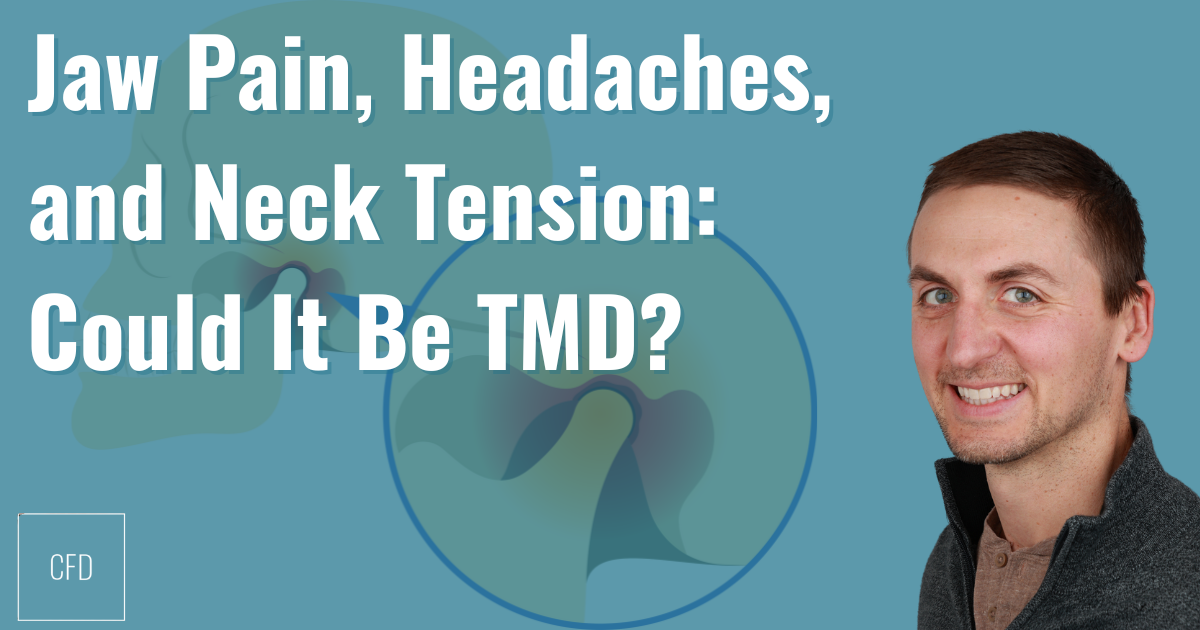
TMD refers to dysfunction of the temporomandibular joints (TMJ)—the joints that connect your jaw to your skull and allow you to talk, chew, and yawn.
When these joints don’t function properly, they can cause pain and tension that radiates far beyond the jaw.
Common Signs of TMD
TMD symptoms vary from person to person, but common signs include:
-
Jaw pain or soreness
-
Frequent headaches or migraines
-
Neck, shoulder, or upper back tension
-
Clicking or popping sounds when opening or closing the mouth
-
Facial pain or pressure
-
Difficulty chewing or jaw fatigue
-
Locking of the jaw
-
Ear pain or a feeling of fullness (without an ear infection)
Because these symptoms overlap with other conditions, TMD often goes undiagnosed for years.
Why TMD Causes Headaches and Neck Pain
The jaw joint works closely with the muscles of the face, head, neck, and shoulders. When the bite is off or the jaw is under constant strain, those muscles overwork—leading to tension and pain.
Common contributors include:
-
Teeth grinding or clenching (bruxism)
-
Poor bite alignment
-
Stress-related muscle tension
-
Past jaw trauma
-
Missing teeth or dental work that altered the bite
Over time, this imbalance creates a chain reaction that results in chronic discomfort.
Why Ignoring TMD Can Make It Worse
Without treatment, TMD symptoms often progress. Pain may become more frequent, headaches more intense, and jaw movement more limited.
Untreated TMD can lead to:
-
Tooth wear or fractures
-
Worsening headaches or migraines
-
Chronic muscle inflammation
-
Difficulty eating or speaking
-
Reduced quality of life
The earlier TMD is addressed, the easier it is to manage and relieve.
How Dentistry Can Help Treat TMD
At Centreville Family Dentistry and Implant Center, we take a personalized approach to TMD treatment. Depending on the cause and severity, treatment may include:
-
Custom night guards or splints to reduce grinding and relieve joint stress
-
Bite evaluation and correction
-
Muscle relaxation techniques
-
Lifestyle and habit guidance
-
Collaboration with physical therapy or medical providers when needed
Our goal is to reduce pain, restore proper jaw function, and prevent future damage.
Relief Starts with the Right Diagnosis
Jaw pain, headaches, and neck tension aren’t something you should “just live with.” If these symptoms sound familiar, it may be time to evaluate whether TMD is the underlying cause.
At Centreville Family Dentistry and Implant Center, we’re here to help you get answers—and real relief.