
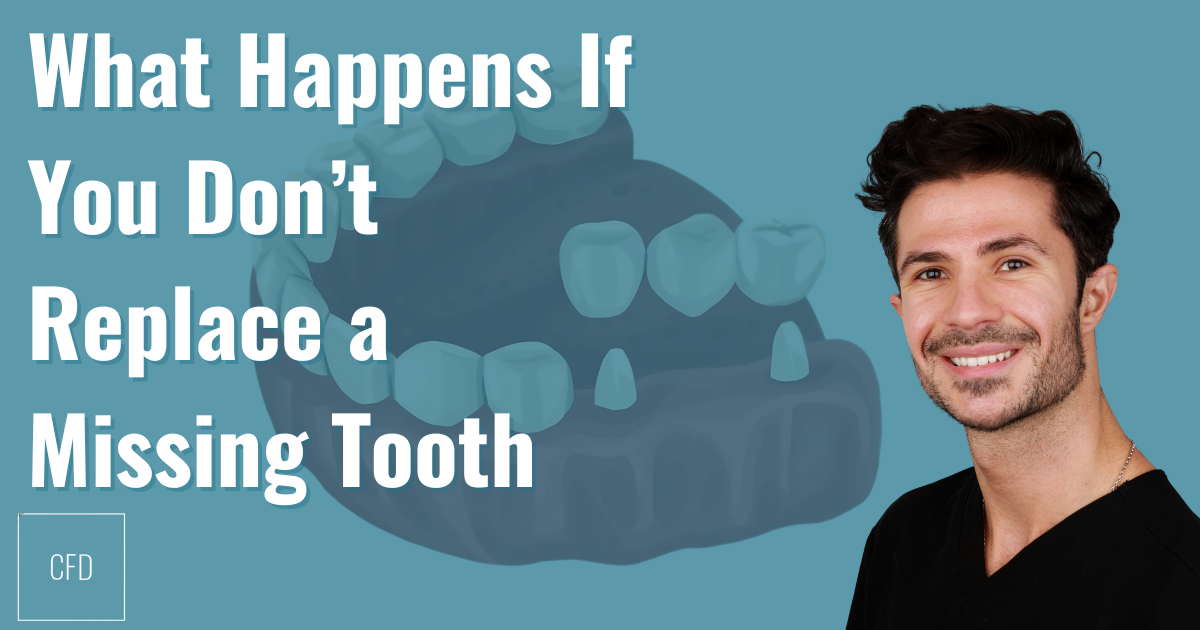
What Happens If You Don’t Replace a Missing Tooth
It’s easy to think that one missing tooth isn’t a big deal—especially if it’s not visible when you smile.
But the truth is, every tooth plays a role in keeping your mouth healthy, balanced, and strong. At Centreville Family Dentistry and Implant Center, we regularly see the long-term consequences of leaving missing teeth untreated.
Here’s what really happens when a tooth isn’t replaced.
1. Bone Loss Begins Almost Immediately
Your jawbone relies on stimulation from tooth roots to stay healthy. When a tooth is missing:
-
The bone no longer receives pressure from chewing
-
The body begins breaking down the unused bone
-
Bone loss can start within 3–6 months
Over time, this bone loss can make future treatments more complex—or even limit your options.
2. Teeth Begin to Shift
Teeth naturally want to drift. When there’s a gap:
-
Neighboring teeth tip into the space
-
Opposing teeth may over-erupt
-
Your bite becomes misaligned
This shifting can lead to uneven wear, jaw discomfort, and difficulty chewing.
3. Your Bite and Jaw Function Are Affected
Even a single missing tooth can throw off your bite. This imbalance may cause:
-
Jaw pain or fatigue
-
Headaches or neck tension
-
Increased stress on remaining teeth
-
Higher risk of cracking or breaking teeth
The longer the gap remains, the more strain is placed on your entire mouth.
4. Gum Disease and Cavities Become More Likely
Gaps left by missing teeth can trap food and bacteria, making oral hygiene harder. This increases your risk for:
-
Gum inflammation and periodontal disease
-
Cavities on surrounding teeth
-
Chronic bad breath
Replacing missing teeth helps restore easier cleaning and better oral health.
5. Facial Changes Can Occur Over Time
Bone loss doesn’t just affect your mouth—it affects your appearance. Missing teeth can lead to:
-
Sunken cheeks
-
Wrinkles around the mouth
-
A prematurely aged look
Replacing teeth helps maintain facial structure and support.
6. Treatment Becomes More Complicated the Longer You Wait
What starts as a simple tooth replacement can turn into a more complex case if delayed. Over time, patients may need:
-
Bone grafting
-
Orthodontic correction
-
More extensive restorative work
Early treatment is often simpler, faster, and more cost-effective.
The Best Way to Replace a Missing Tooth
While bridges and dentures may restore appearance, dental implants are the only option that replaces both the tooth and the root.
Dental implants:
-
Prevent bone loss
-
Keep teeth from shifting
-
Restore full chewing function
-
Look and feel natural
-
Can last decades with proper care
At Centreville Family Dentistry and Implant Center, Dr. Kris Bano offers single implants, implant bridges, and full-arch solutions like All-on-X and Teeth in a Day.
Don’t Wait to Protect Your Smile
If you’re missing a tooth—even just one—it’s worth having a conversation. Early intervention protects your health, your bite, and your confidence.